


HOA Fees in Greater Baton Rouge (2026): What Buyers Pay, What's Covered, and How Condos Differ from TownhomesBy Kevin Young, REALTOR® | Kevin's Corner | Baton Rouge Real Estate Market
Spahr's Restaurant In Cut Off Louisiana
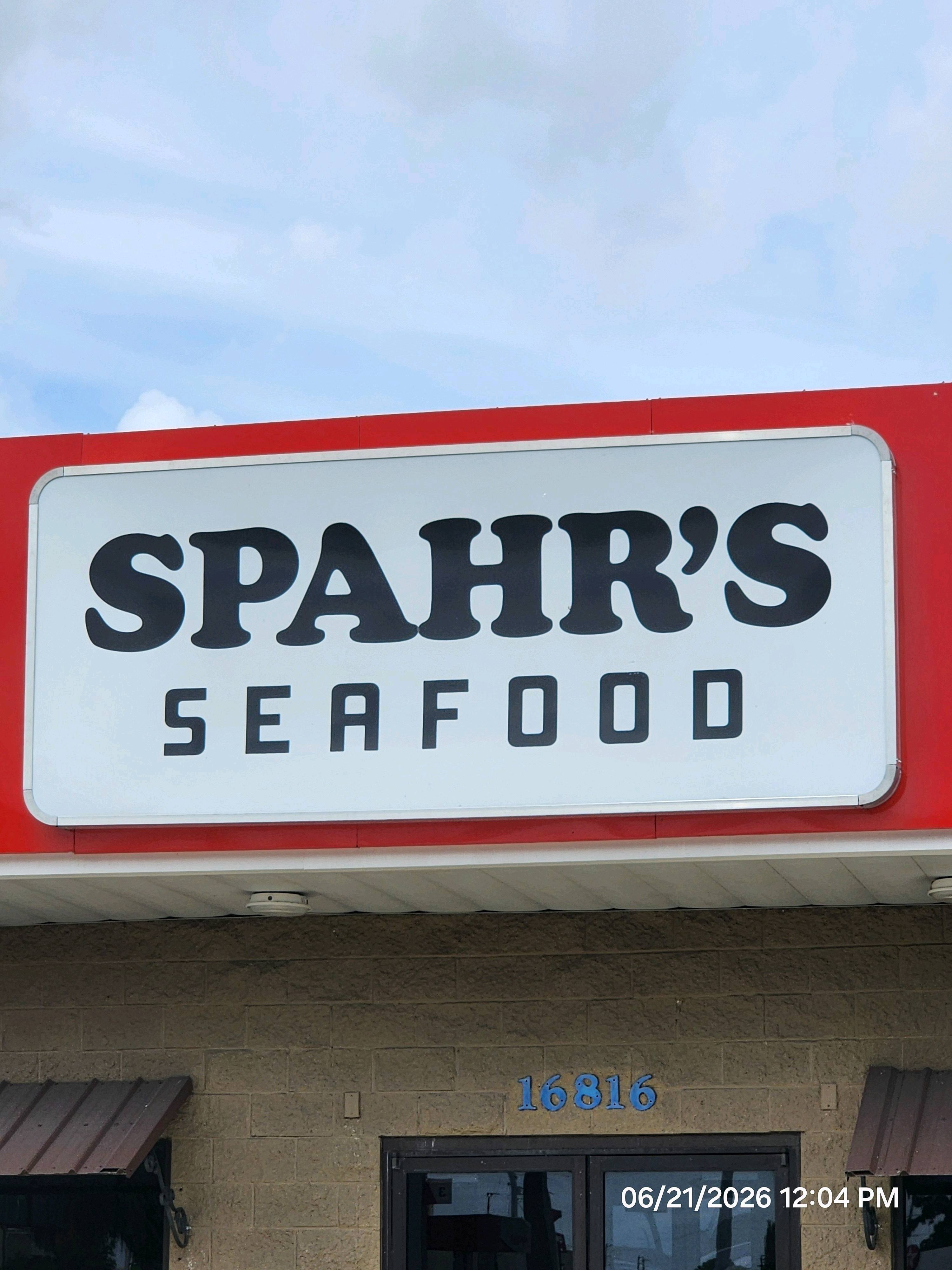
Most Americans think of a drive-thru as a paved lane, a static menu board, and a paper bag handed through a car window. In Cut Off, Louisiana, Spahr's Restaurant has quietly rewritten that script entirely. Here, the lane is the bayou, the parking spots are wooden pylons, and the vehicles pulling up for lunch are commercial shrimp boats, oyster luggers, and flat-bottomed skiffs navigating the legendary waters of Bayou Lafourche. What sounds like a charming regional novelty is, in practice, one of the most functionally brilliant and culturally rooted dining concepts in the American South.
The Bayou That Became a Street: Understanding Bayou Lafourche
To fully appreciate what Spahr's has built, you must first understand the waterway on which it sits. Bayou Lafourche stretches roughly 106 miles from Donaldsonville in Ascension Parish all the way to the Gulf of Mexico near Leeville. For generations, Cajun settlers built their homes, schools, churches, and businesses in tight, linear succession along its banks; the result was a continuous ribbon of civilization so dense and unbroken that historians and locals alike awarded it the informal title: "the longest street in the world."
Bayou Lafourche is not merely a scenic backdrop. It is the structural spine of an entire regional culture. Commerce, kinship, and survival in Lafourche Parish have historically moved along its current, and Spahr's Restaurant understood this long before tourism brochures ever did.
Cut Off sits near the heart of this corridor, a working community whose economy has long been anchored in the commercial fishing industry. Shrimpers, crabbers, and oystermen spend extended periods aboard their vessels harvesting the bountiful waters of the Gulf of Mexico. The bayou is their highway home, and Spahr's sits directly on its banks like a well-lit rest stop on an interstate, except the exit ramp is a sturdy wooden dock and the parking fee is settled with an order of catfish chips.
The Boat-Thru: Not a Gimmick, a Genuine Service
Spahr's dedicated "boat-thru" dock is operational and purposeful. Commercial captains can radio ahead, maneuver their vessels alongside the restaurant's heavy-duty pylons, tie off temporarily, and have piping-hot Cajun comfort food passed directly down onto their decks. The crew never has to set foot on dry land. For anyone who has watched a large shrimp trawler navigate a tight harbor slip, the practical genius of this arrangement is immediately apparent. Maneuvering a massive commercial vessel into a standard marina just to grab a hot lunch would cost time, fuel, and dock fees that working fishermen simply cannot afford to absorb on a routine basis.
Spahr's boat-thru service eliminates a logistical problem that has existed since the first commercial fisherman realized he was hungry mid-trip. It treats the working waterways of South Louisiana with the same commercial respect that an interstate highway receives on land.
The menu item most associated with the dock service is Spahr's famous "original catfish chips," a signature preparation that has drawn regional devotion for decades. Thin-cut, perfectly seasoned, and fried to a crisp that travels well even when handed down from a dock to a boat deck, catfish chips represent exactly the kind of portable, satisfying, and deeply local food that a working fisherman needs after hours on the water.
Hurricane Ida and the Dock That Became a Lifeline
The true depth of what Spahr's boat-thru dock represents to the community became undeniable in the aftermath of Hurricane Ida, which made landfall in Louisiana on August 29, 2021, as a powerful Category 4 storm. The parish roads surrounding Cut Off were rendered impassable. Snapped utility poles blocked asphalt lanes; downed power lines created hazardous barriers; deep standing water swallowed intersections whole. Standard land-based supply and emergency routes collapsed almost immediately.
Bayou Lafourche, however, remained navigable.
When Hurricane Ida proved that roads could be severed in an instant, the bayou endured. Spahr's dock shifted roles without hesitation, moving from a lunch convenience to a maritime relief station. Hot food reached first responders, utility crews, and displaced residents through the same wooden pylons that had served shrimpers for years prior.
Operating on generators with whatever supplies were available, Spahr's transformed its dock into a critical maritime outpost. Emergency responders who could not travel by road arrived by water. Utility restoration crews coordinating repairs in isolated areas used the bayou to reach the restaurant for sustenance. Displaced locals who had lost access to their own kitchens and found land routes blocked navigated to Spahr's dock in whatever watercraft they had on hand. The restaurant served hot meals throughout the crisis period, a role it filled not because it was designated as an emergency facility by any government agency, but simply because it was there, functional, and deeply connected to the rhythms of bayou life.
What This Means for the Lafourche Parish Community
The story of Spahr's boat-thru is ultimately a story about infrastructure. In most American communities, emergency resilience planning revolves around roads, bridges, and standard supply chains. Lafourche Parish, like much of coastal South Louisiana, operates in a geography where water is not an obstacle to commerce but a primary route of it. A business that integrates itself into that water-based infrastructure does not merely serve customers; it becomes part of the community's connective tissue.
Real estate in the Cut Off area reflects this dual reality. Properties along Bayou Lafourche carry a premium not just for scenic value but for functional waterway access. Camps, commercial fishing operations, and residential homes with private docking capabilities have historically demonstrated strong value retention in this market precisely because the bayou serves as both amenity and artery. Spahr's existence on the water illustrates the broader principle that in Lafourche Parish, proximity to navigable waterways is a measurable and practical asset.
106 Miles Approximate Length of Bayou Lafourche from Donaldsonville to the Gulf of Mexico
Cat. 4 Hurricane Ida's Intensity at Landfall in Louisiana, August 29, 2021
1 of a Kind Spahr's Boat-Thru Dock: A Fully Operational Commercial Vessel Drive-Thru in the U.S.
Decades Years Spahr's Has Served the Cut Off Community Along Bayou Lafourche
Cajun Commerce and the Living Bayou Economy
Spahr's boat-thru service also underscores something that outside observers often miss about the South Louisiana economy: it is not one economy but two overlapping systems. There is the land-based economy of storefronts, offices, and roads; and there is the water-based economy of docks, trawlers, and tidal schedules. Most businesses in coastal Louisiana are rooted in one or the other. Spahr's, by design or organic evolution, belongs fully to both.
The restaurant's catfish chips and broader Cajun comfort food menu appeal equally to a tourist driving in off Louisiana Highway 1 and to a shrimper who has not been ashore in three days. That dual audience gives Spahr's a commercial resilience that is genuinely rare. When land traffic drops because of road conditions, storm threats, or seasonal slowdowns, boat traffic often compensates. When Gulf harvest seasons intensify and more commercial vessels work the lower bayou, dock business increases accordingly.
Businesses that are embedded in both the land economy and the water economy of coastal Louisiana carry a built-in hedge against disruption. Spahr's boat-thru is a masterclass in how to serve a community that lives between two worlds simultaneously.
Why This Story Matters Beyond the Menu
It would be easy to frame the Spahr's boat-thru as a colorful travel anecdote, a fun fact to drop into a conversation about unusual American dining experiences. That framing, however, undersells the genuine significance of what the restaurant represents. In a coastal region that faces intensifying hurricane seasons, accelerating coastal land loss, and persistent challenges to traditional fishing livelihoods, businesses that adapt their infrastructure to the realities of water-dependent communities are not curiosities. They are models.
The lesson from Spahr's dock during Hurricane Ida is not merely heartwarming. It is instructive for anyone thinking seriously about community resilience, commercial property development, and long-term investment along Louisiana's coastal waterways. The bayou was not a backup route during Ida; it was the primary route. Any community asset, business, or property that was positioned to utilize that route had a functional advantage that no amount of land-based preparation could have provided in that moment.
For prospective buyers, investors, and community members considering property in Lafourche Parish and the broader South Louisiana coastal corridor, the Spahr's story is a reminder that waterway access is not just an amenity line item on a real estate listing. It is, in the truest sense, a lifeline.
Curious how this impacts your property value?
Let's Find Out!Frequently Asked Questions
FAQ
What exactly is the Spahr's boat-thru and how does it work?
The Spahr's boat-thru is a dedicated waterside dock at the restaurant's Cut Off, Louisiana location along Bayou Lafourche. Commercial shrimp boats, oyster luggers, and personal bayou skiffs can pull directly up to the restaurant's wooden wharf, tie off temporarily to the heavy-duty pylons, and receive food orders without any crew member having to disembark onto dry land. Captains can radio in orders in advance, and staff pass meals directly down onto the decks of the vessels. It is a fully operational service, not a tourist attraction, designed to serve the working commercial fishermen who travel Bayou Lafourche regularly.
FAQ
How did Spahr's restaurant play a role during Hurricane Ida?
When Hurricane Ida struck Louisiana as a Category 4 storm in August 2021, road access in and around Cut Off was severely compromised by downed utility poles, power lines, and deep flooding. Because Bayou Lafourche remained navigable, Spahr's dock became a critical access point for the community. Operating on generators, the restaurant served hot meals to emergency responders, utility restoration workers, and displaced local residents who arrived by boat because land routes were impassable. The dock transitioned from a commercial convenience into an informal maritime relief station, demonstrating the bayou's enduring role as the community's primary artery during crises.
FAQ
Does waterway access affect property values in the Cut Off and Lafourche Parish area?
Yes, meaningfully. Properties along Bayou Lafourche with navigable waterway access and private docking capabilities have historically demonstrated strong value retention in the Lafourche Parish market. This is because bayou access functions as both an amenity and a practical artery in the region's dual land-and-water economy. For commercial properties, waterway frontage expands the potential customer and service base beyond road traffic alone. For residential properties, dock access connects owners to the cultural, recreational, and economic rhythms of coastal Louisiana life. The Spahr's example further illustrates that waterway-connected properties carry a resilience premium, particularly relevant in a region that regularly faces hurricane-related road disruptions.
Sources
- Spahr's Seafood Restaurant, Cut Off, Louisiana: Regional community knowledge and operational history along Bayou Lafourche.
- Louisiana Department of Natural Resources: Bayou Lafourche corridor documentation and historical significance as a commercial waterway.
- National Hurricane Center, NOAA: Hurricane Ida official track, intensity, and landfall data, August 29, 2021. nhc.noaa.gov
- Lafourche Parish Government: Post-Ida emergency response and community impact records. lafourchegov.org
- Louisiana Sea Grant: Commercial fishing industry profile for Lafourche and Terrebonne parishes. lase
 The multiple listing information is provided by the Greater Baton Rouge Association of REALTORS®, Inc. multiple listing service from a copyrighted compilation of listings. The compilation of listings and each individual listing are ©2026 MLS. All Rights Reserved. The information provided is for clients' personal, non-commercial use and may not be used for any purpose other than to identify prospective properties clients may be interested in purchasing. All properties are subject to prior sale
